
About the farm
A living map of people, animals, plants, water, soil, and community.
Chhahari is a working ecosystem where production, learning, animals, water, soil, and community relationships stay connected.
About the farm
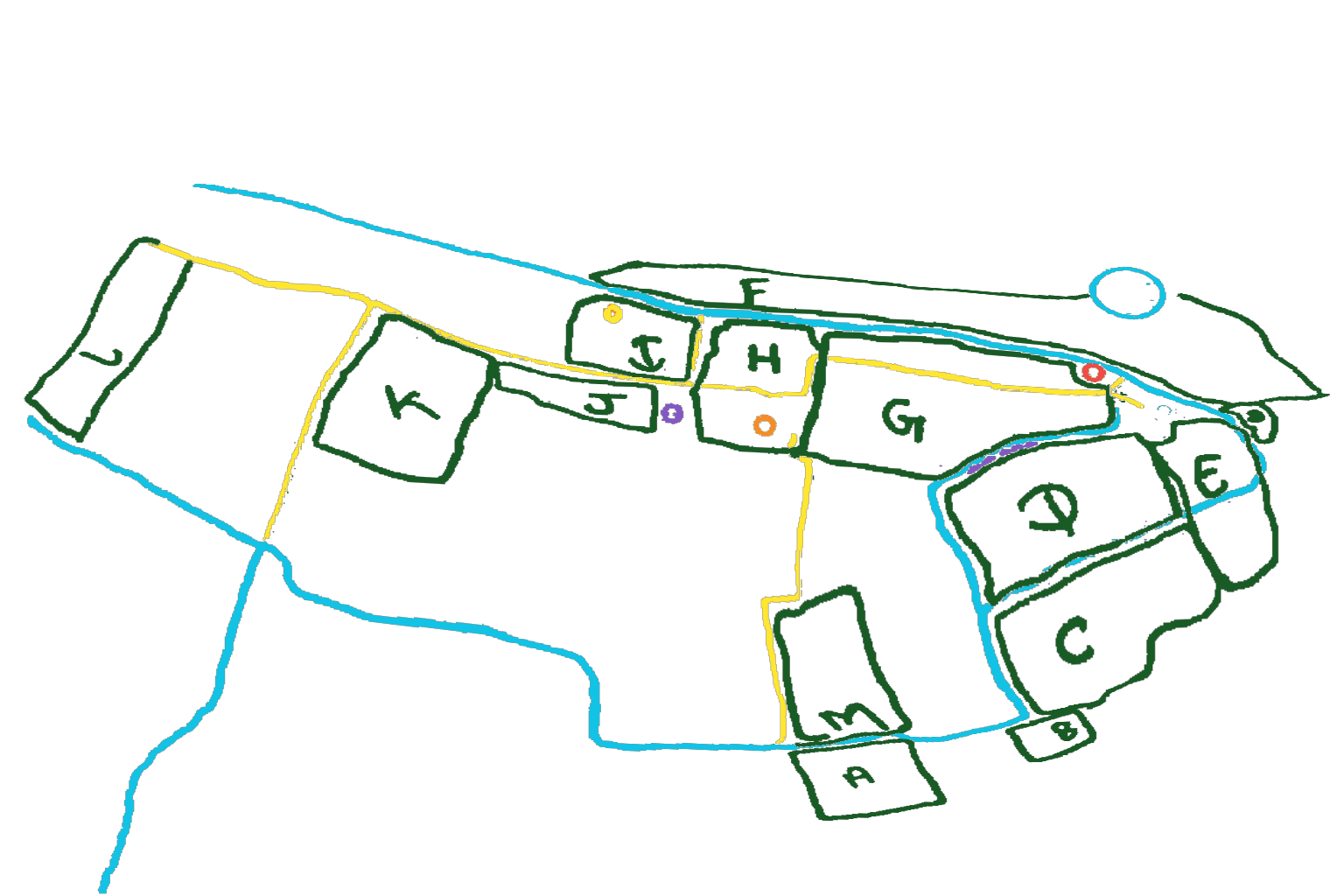
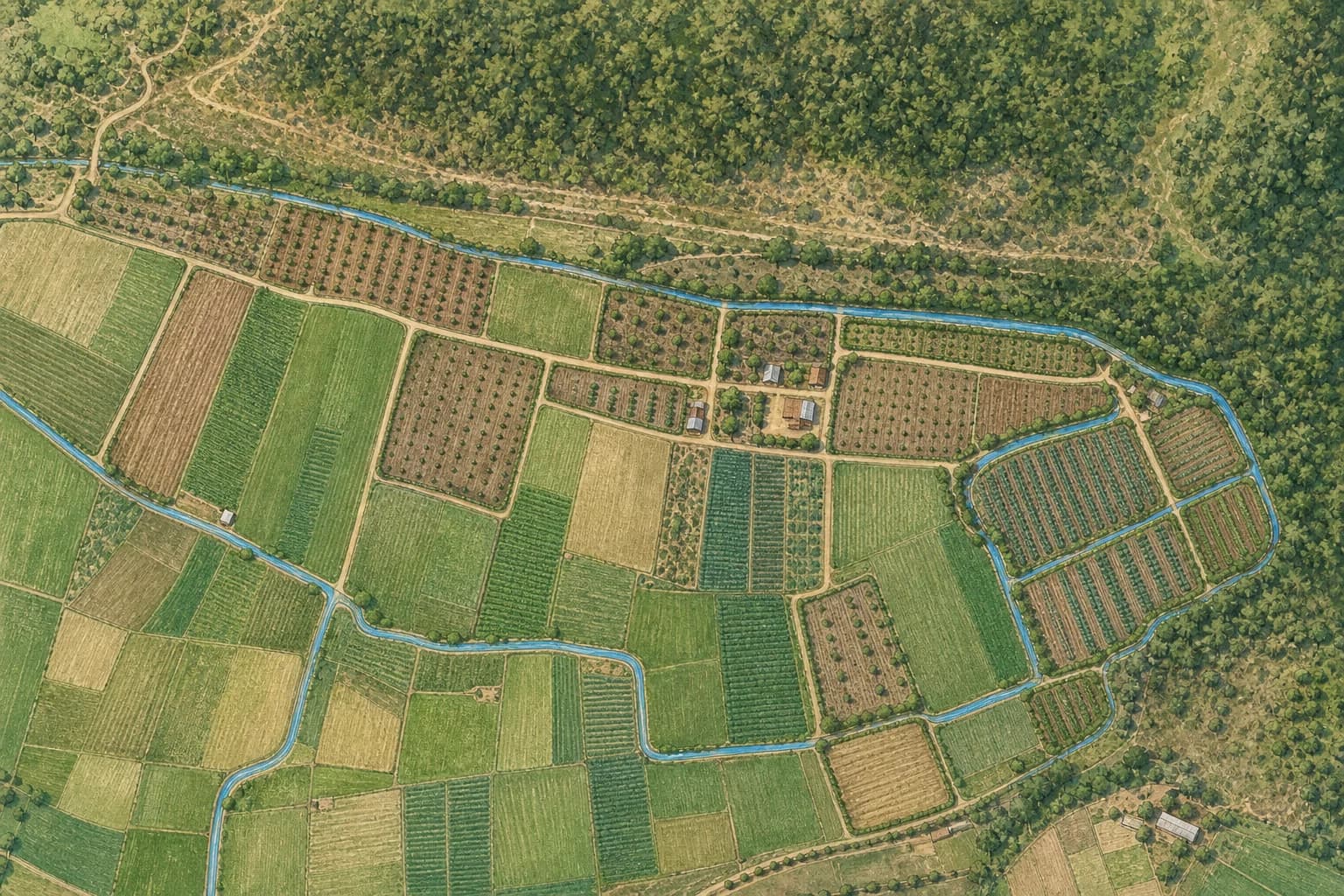
Interactive Farm Map and little info
Use the map to move between the farm's main systems. Each point names a living part of the site rather than a detached attraction.
Little info
Plan a farm visit
Chhahari is being shaped as a demonstration farm for agroecology in Nepal: a place where seasonal production, youth livelihood, farm learning, research, and community collaboration can be seen in one walk.
Humans
The people around Chhahari
Chhahari grows through the people who care for the farm, learn with it, and connect it to the wider community.
Farm team
Communities



Partners





Diversity
Many forms of life, one connected system
A living farm is made from many kinds of life, from visible animals and plants to water and the microbial world below the soil.
Animal
The animals that share the farm's daily rhythm.
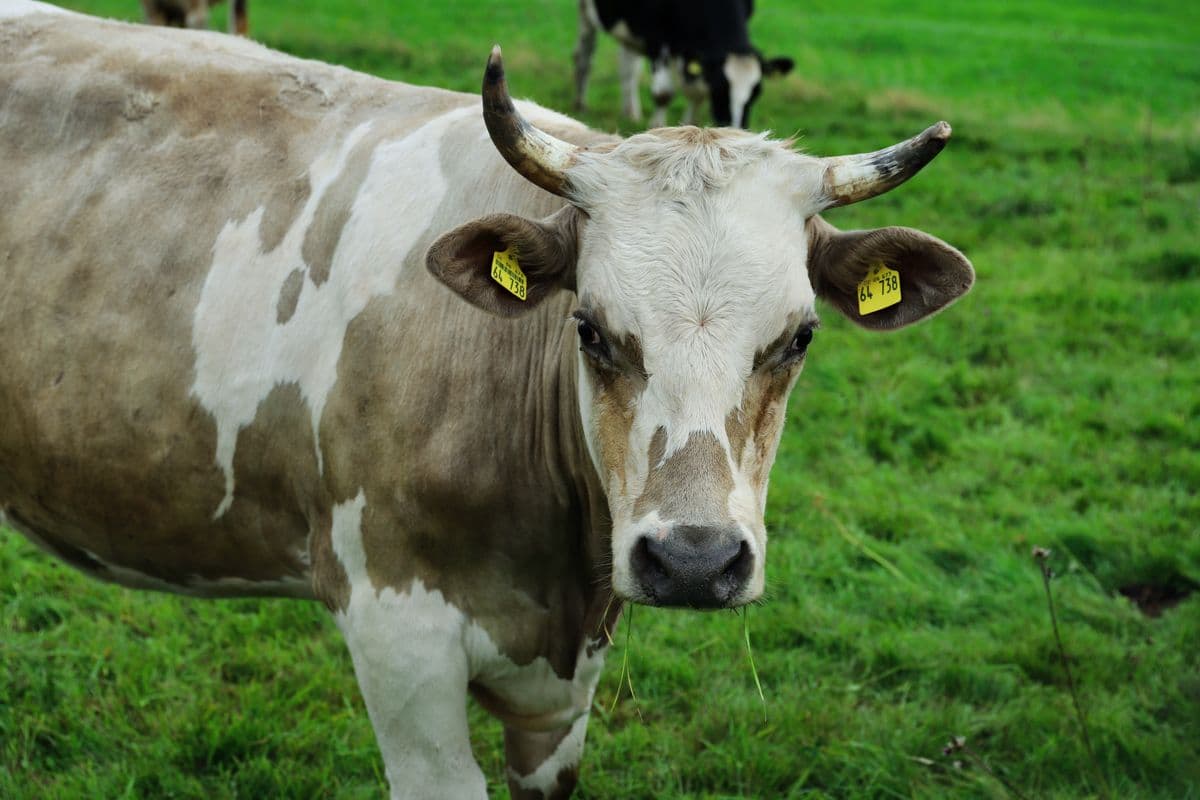
Cow
Manure, grazing, education, and animal-human relationship.
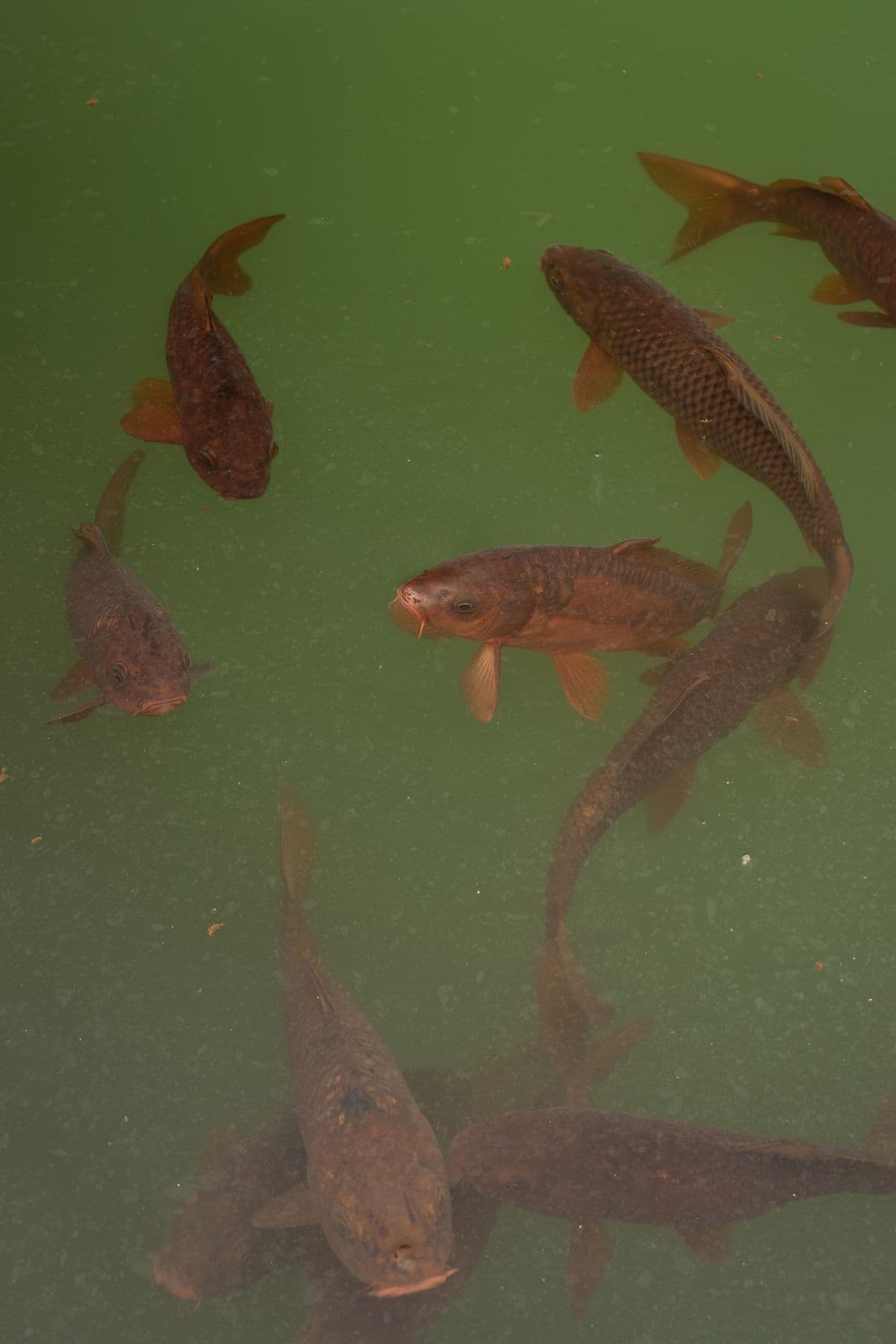
Fish
Aquatic life, water observation, and food-system learning.
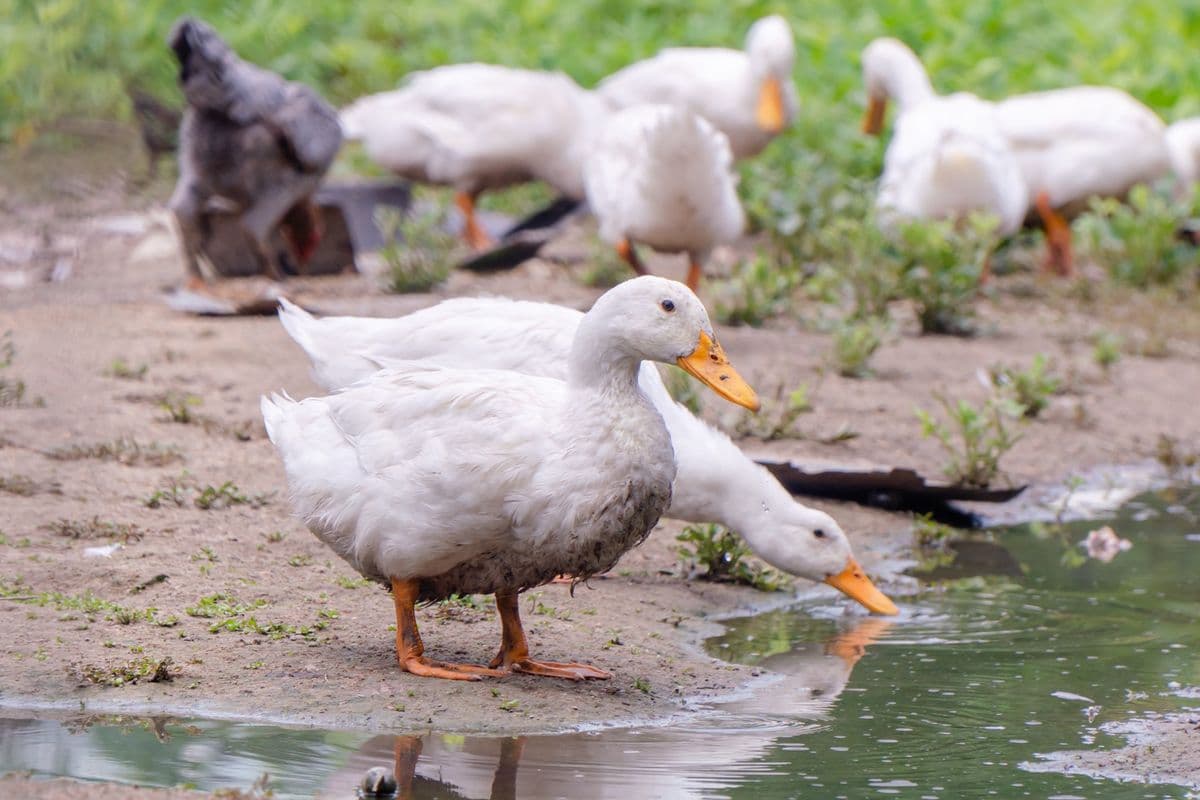
Duck
Pond activity, pest control learning, and aquatic integration.
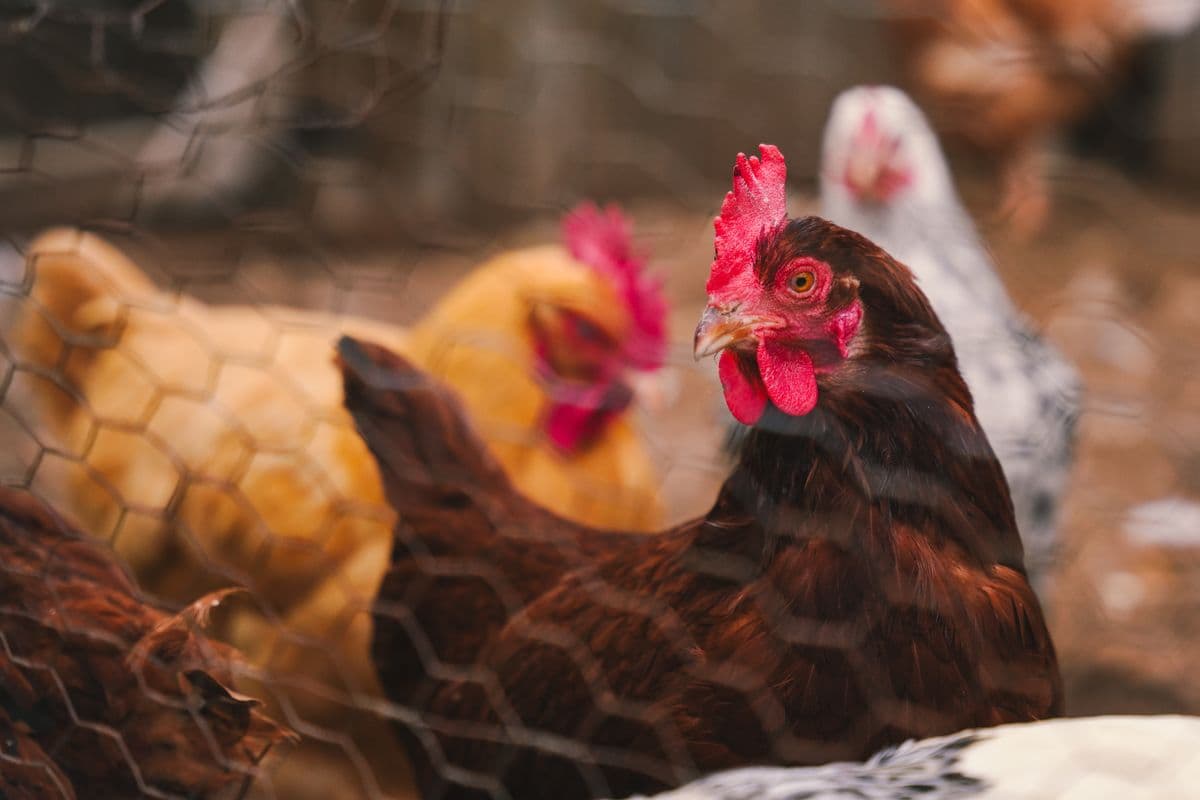
Chicken
Scratching, eggs, compost interaction, and daily farm rhythm.
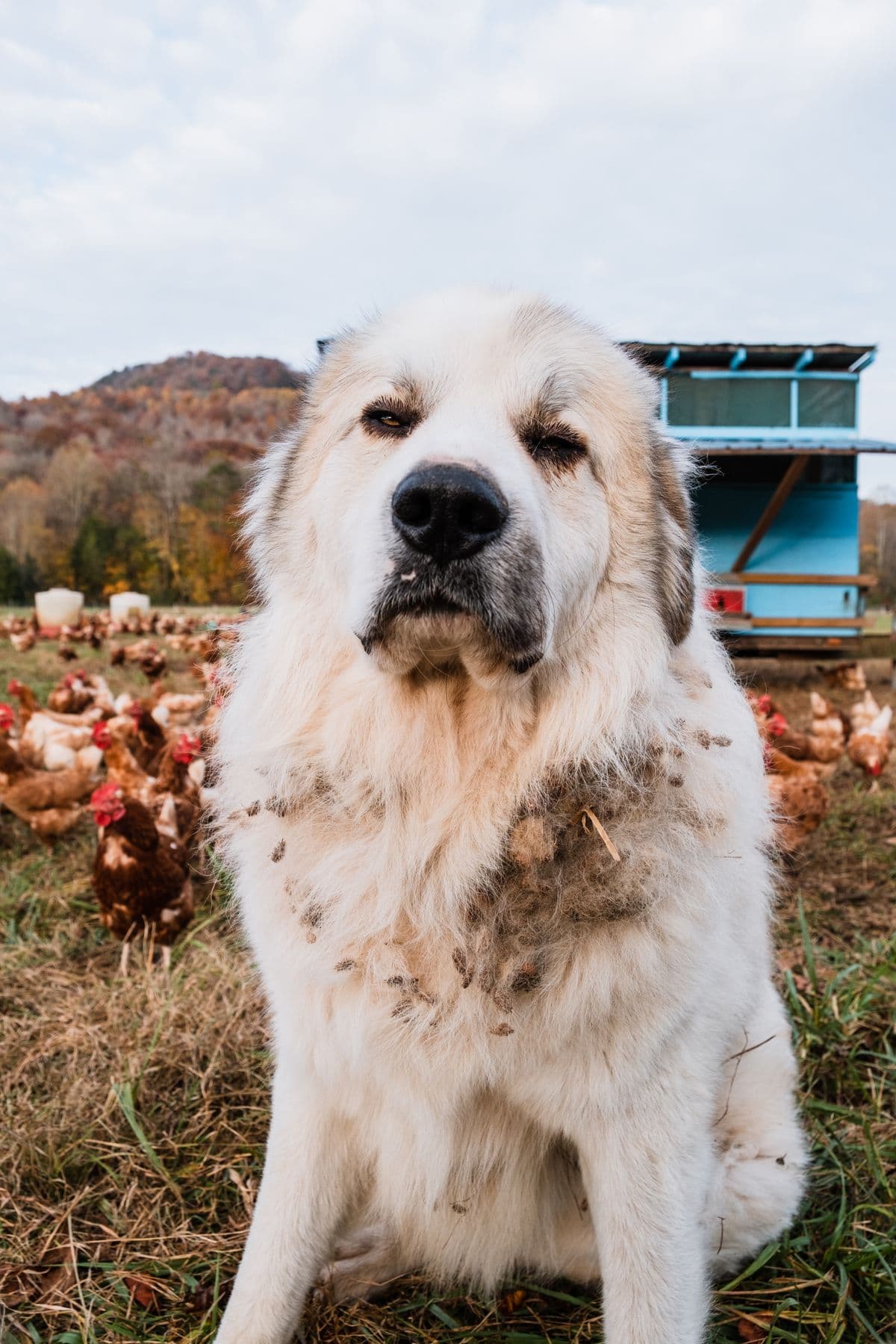
Dog
Farm companion, safety presence, and place identity.
Plants
Layered planting, food forests, gardens, and shared plots.
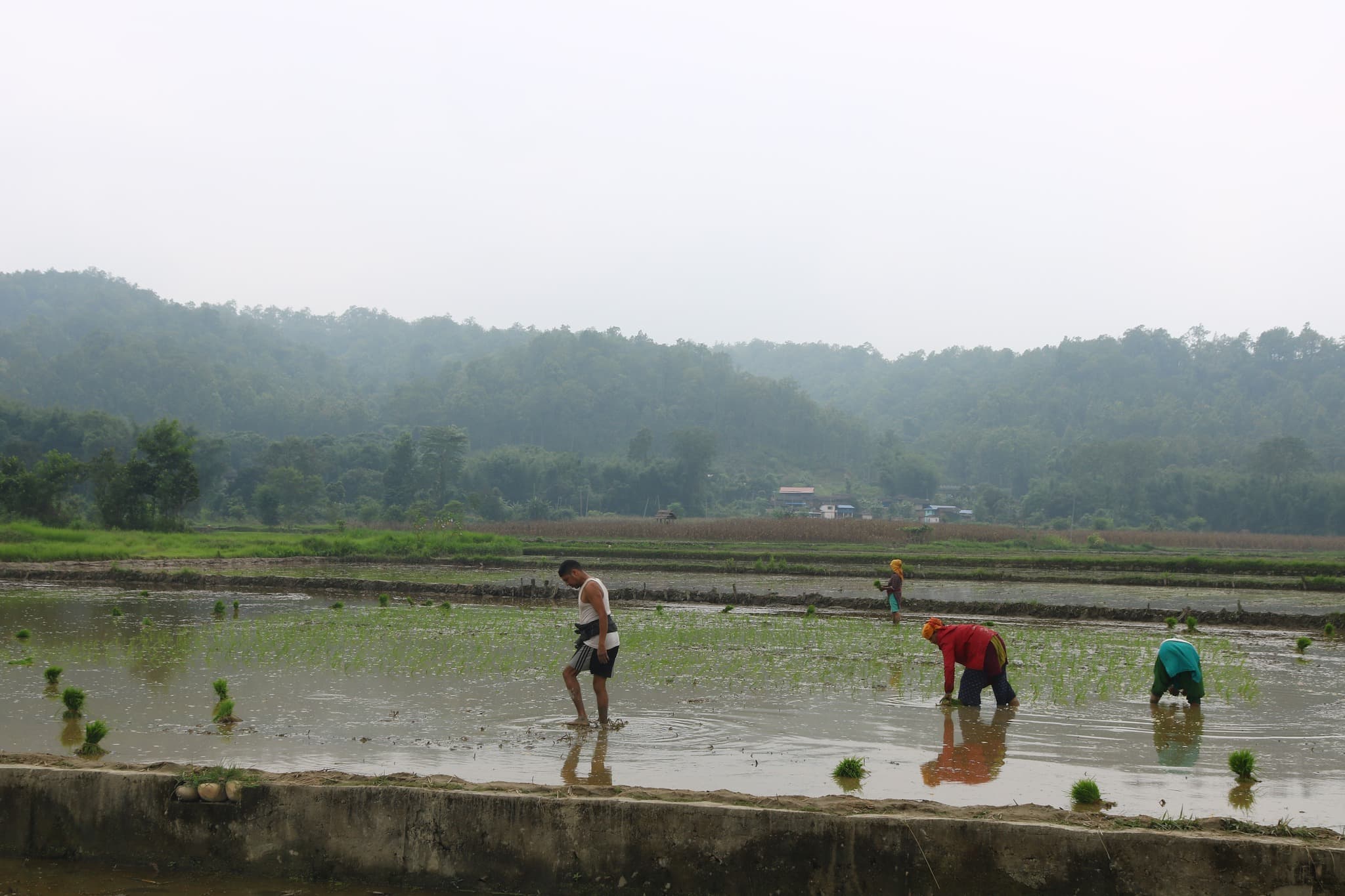
Wild food forest (Miyawaki)
Dense, biodiversity-first planting for shade, habitat, soil cover, and ecological observation.
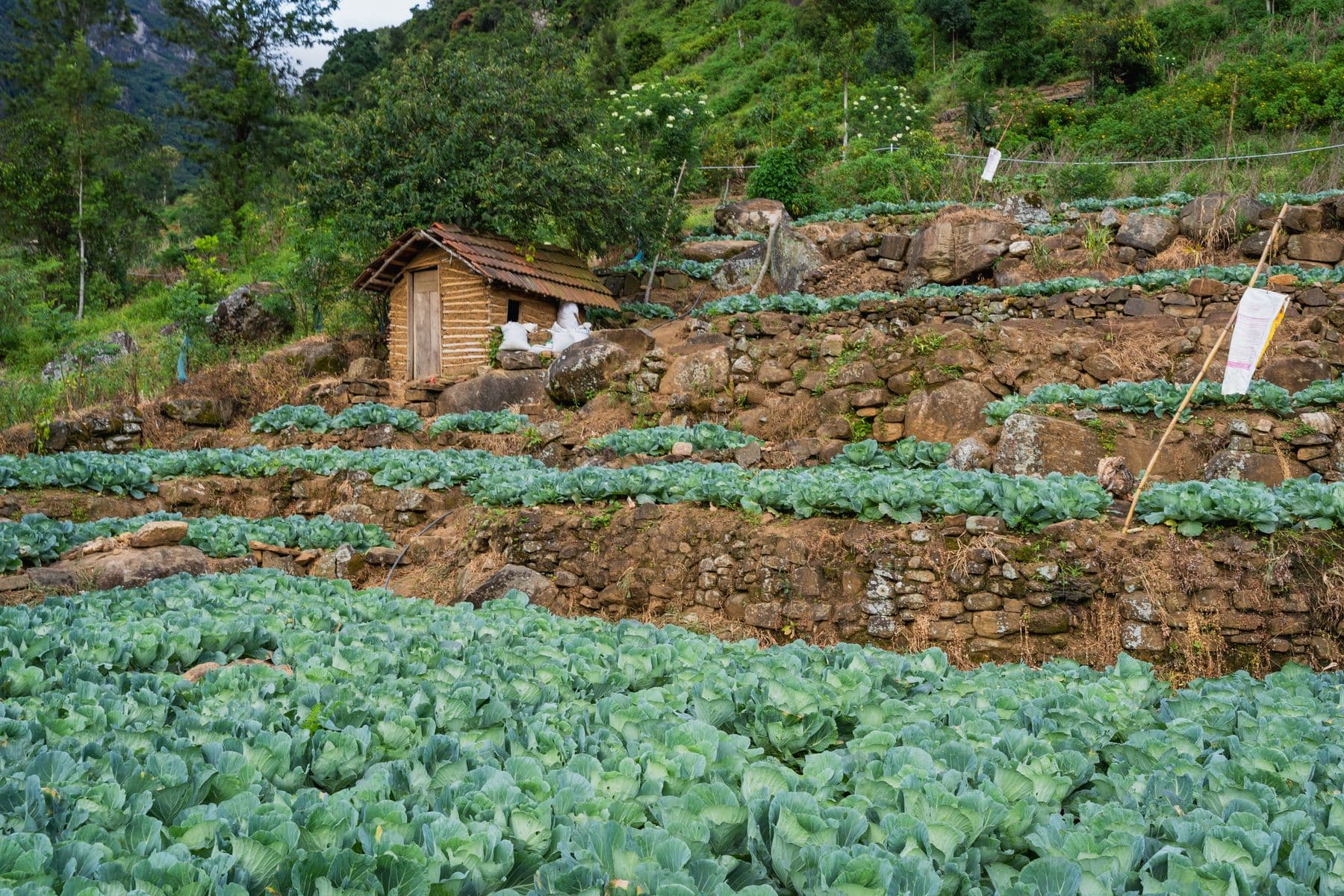
Food forest
A layered food system that mixes trees, shrubs, herbs, ground covers, roots, and seasonal crops.
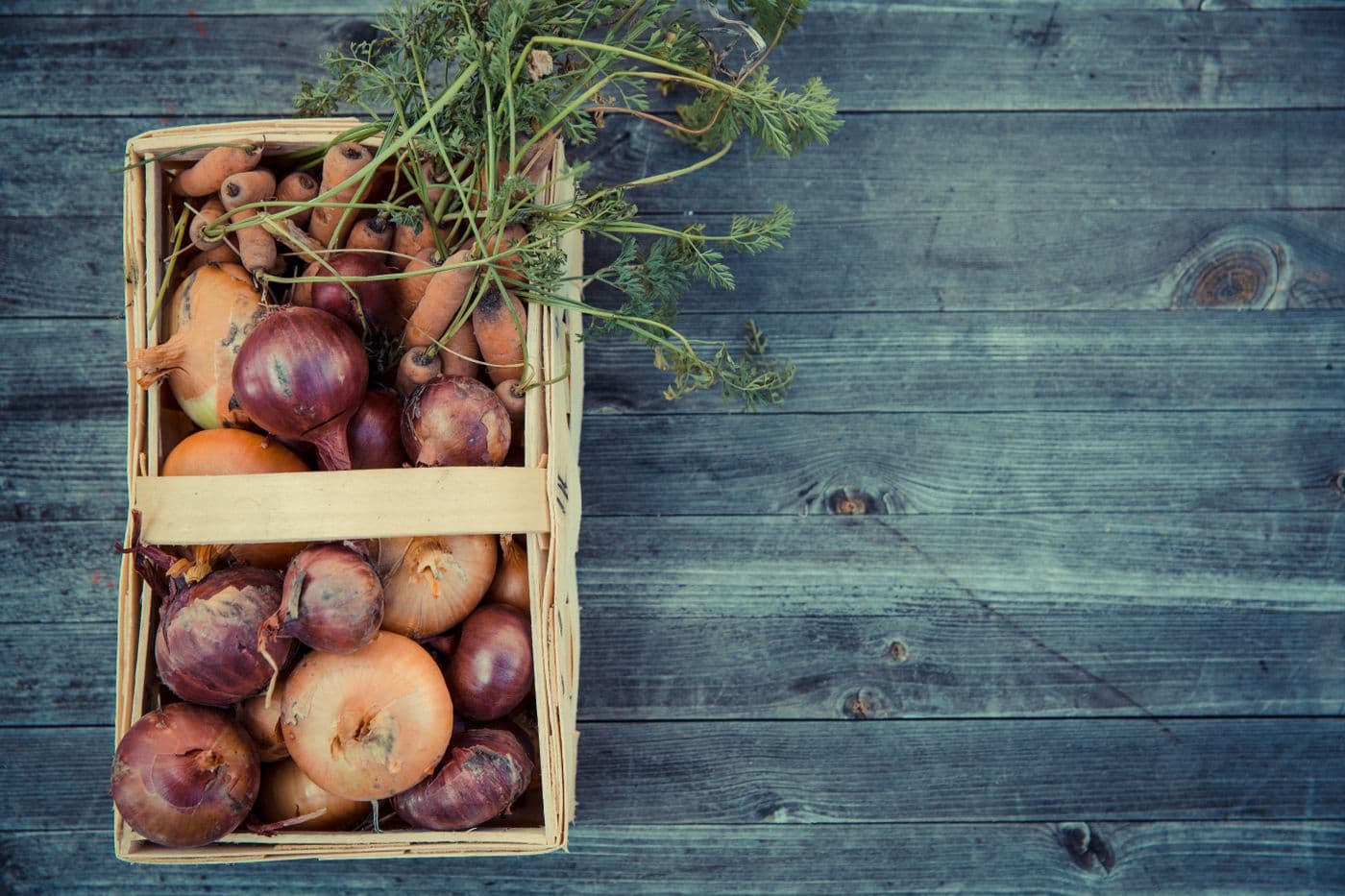
Kitchen garden (Karesa)
A close-to-home garden for daily cooking, herbs, seed practice, and household learning.
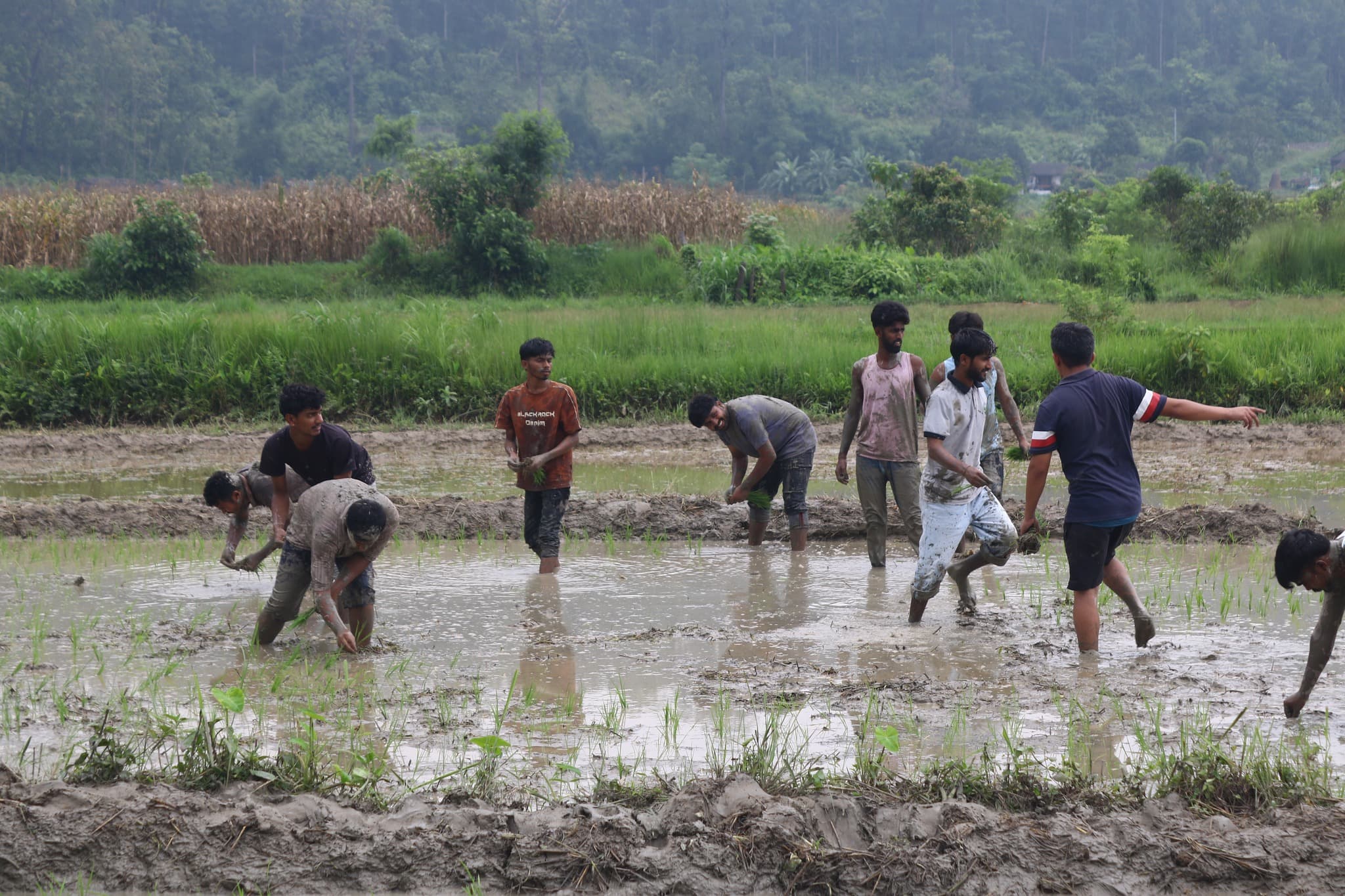
Contribution plot
A shared plot where learners, visitors, and partners can leave a visible contribution.
Aquatic
Water, fish, ducks, and edge habitat working together.
Fish
Aquatic life, water observation, and food-system learning.
Ducks
Pond activity, pest control learning, and aquatic integration.
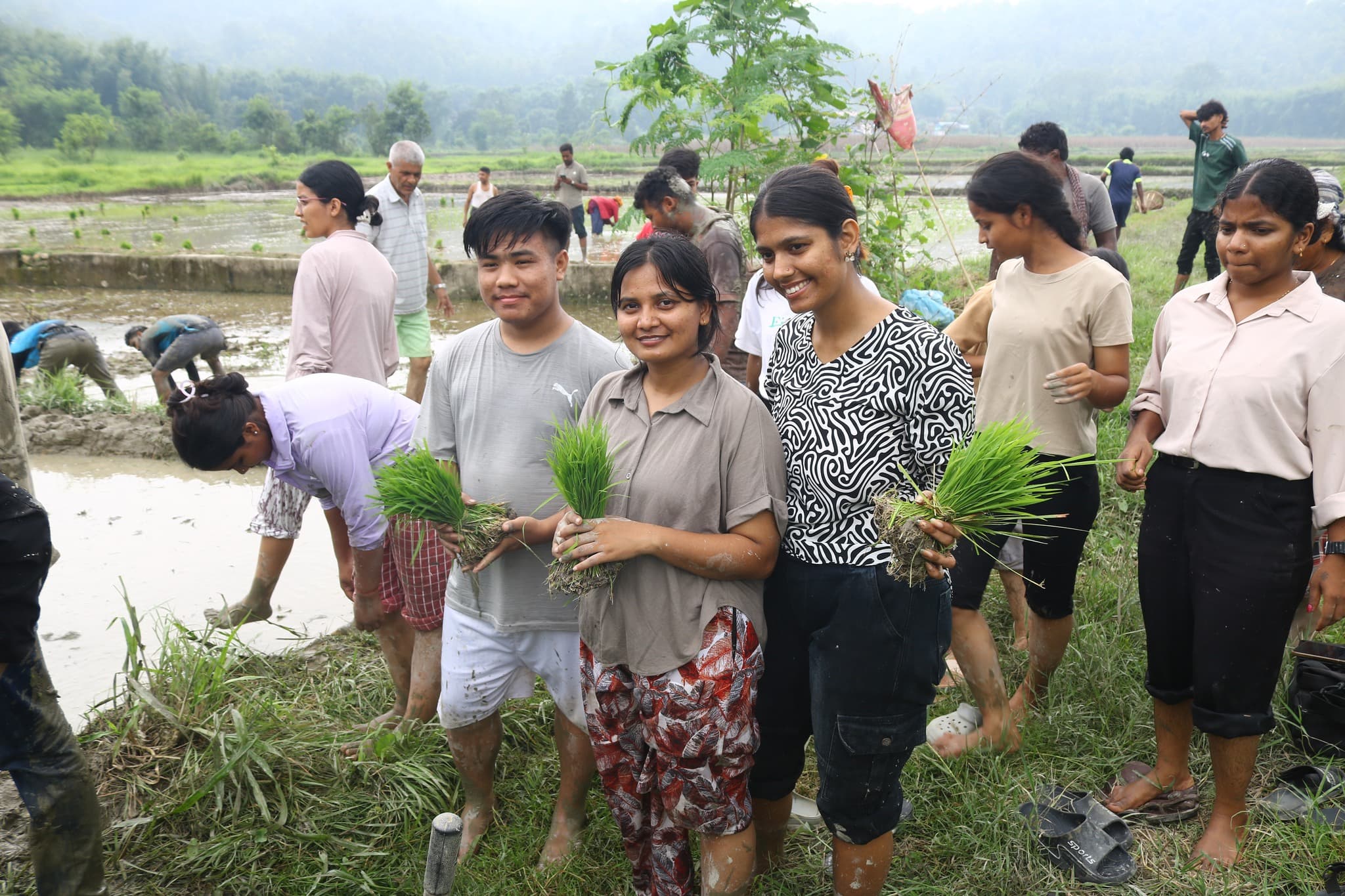
Pond edge
Water plants, edge habitat, and observation connect the pond to the farm.
Ocean microbial
Soil life, compost, and the invisible work of fertility.
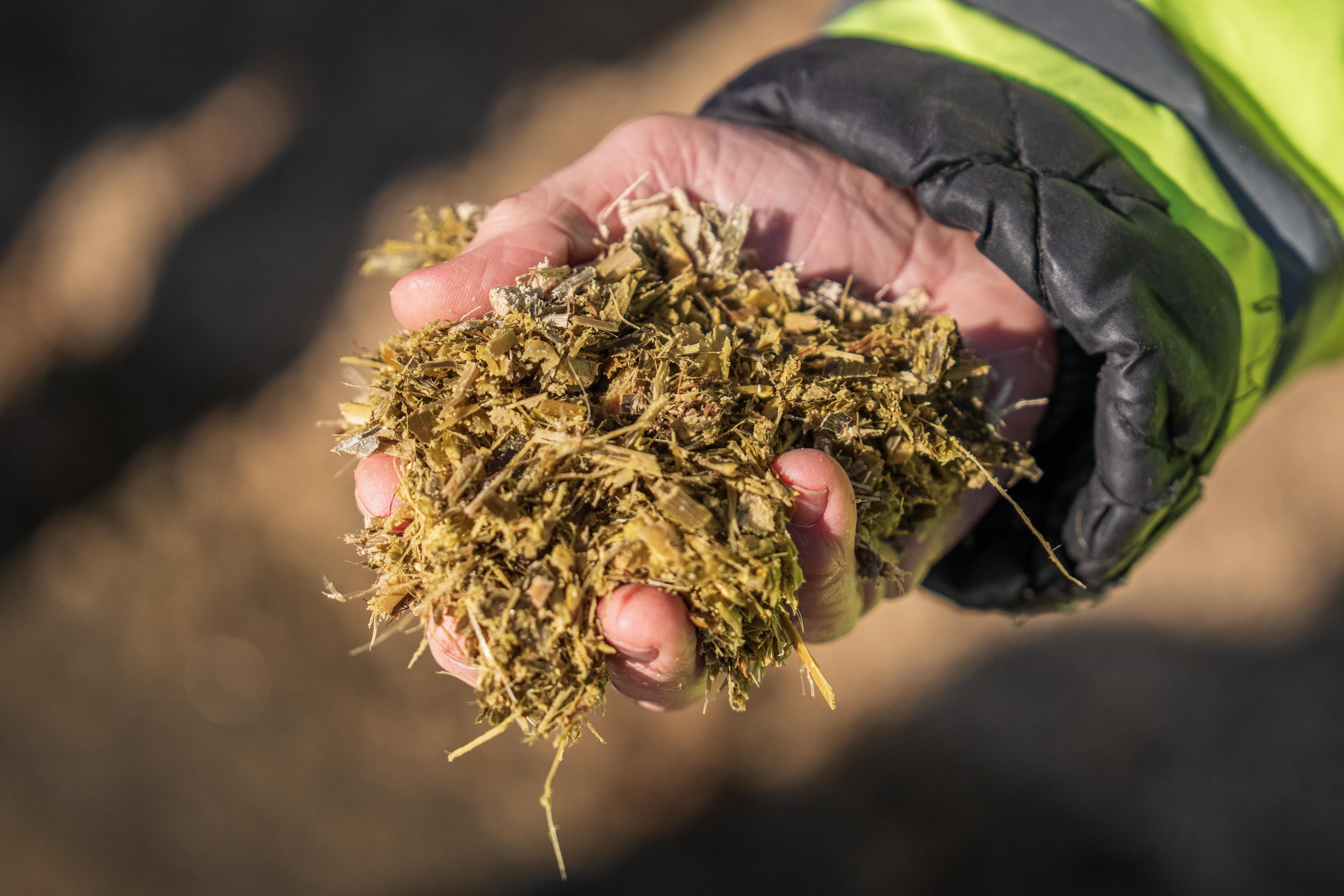
Soil life
Compost, soil organisms, mulch, and decomposition make up the farm's invisible workforce.
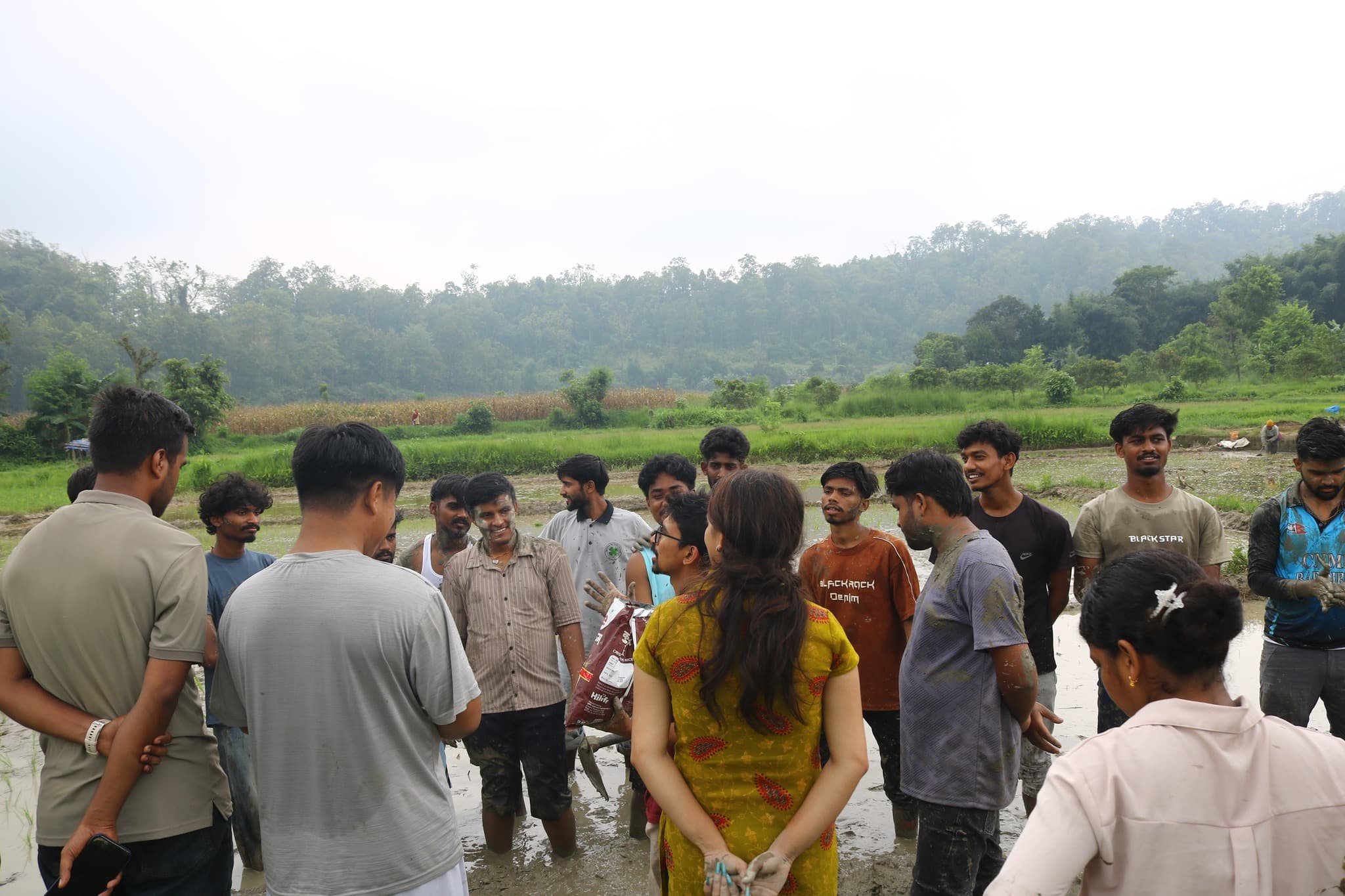
Compost cycles
Organic matter returns to the soil as fertility and learning.
Nutrient flow
Animal care, manure, soil, and plants connect through living cycles.